
Contact Us
Contact Us
Snorkeling in Key Biscayne
Discover easy, shallow-water snorkeling close to shore, then level up with a boat day trip to calmer, clearer pockets of Biscayne Bay and Biscayne National Park.
Snorkeling in Key Biscayne is all about accessible, nearshore exploring—think shallow seagrass beds, small rock/reef patches, and nursery habitat where you can spot juvenile fish and the occasional ray. It’s a great choice for a relaxed half-day on the water, especially when winds are light and tides are favorable.
For boaters, Key Biscayne is also a convenient launch point for day trips to areas with more structure and typically better visibility across Biscayne Bay. Use the island’s iconic navigation landmark—Cape Florida Lighthouse—as your reference point, then plan around conditions, tides, and boat traffic.
If you want the most reliable “home base” options, many visitors pair a beach-and-snorkel session at Crandon Park/Bear Cut Preserve-style ecosystems with a boat-based plan around Bill Baggs Cape Florida State Park and No Name Harbor.
About This Experience
Key Biscayne snorkeling is primarily nearshore and shallow, where seagrass beds and small hard-bottom features create a fish-rich environment. You’re not coming for wall-to-wall coral like offshore reef tracks; you’re coming for an easy, scenic snorkel with frequent wildlife sightings—especially on calm days with higher water.
Two areas anchor most itineraries: Crandon Park/Bear Cut Preserve-style shallows for calmer water and nature viewing, and Bill Baggs Cape Florida State Park for a classic beach day plus boat-friendly access via No Name Harbor. Cape Florida Lighthouse is also a widely recognized landmark for navigation and trip planning.
Boating note: Key Biscayne is busy. If you snorkel from a boat, prioritize safe anchoring in sand (avoid seagrass), keep the group close, and use a diver-down flag—especially near channels and higher-traffic routes.
Boat-Friendly Snorkel Routes (Plan by Conditions)
Cape Florida Shallows (Quick Snorkel + Beach Day)
Use Cape Florida Lighthouse as your meetup/navigation point, then choose a calm, shallow area away from traffic for a short snorkel session. Pair it with time on the sand at Bill Baggs Cape Florida State Park and a scenic cruise past the cape. Best on light-wind days with higher water for improved visibility.
No Name Harbor Base + Biscayne Bay Hop
Start around the No Name Harbor area for an easy launch point, then cruise into Biscayne Bay to look for clearer pockets and more structure depending on wind direction. This is ideal when ocean-side water is stirred up and the bay side is calmer.
Crandon Park / Bear Cut Ecosystems (Nature-Focused Nearshore Snorkel)
Aim for calm conditions and focus on seagrass habitat and shallow features. Crandon Park notes an offshore sandbar that can reduce surf energy, which often helps keep conditions more comfortable for close-to-shore exploring.
Biscayne National Park Day Trip (Clearer Water + More Structure)
When you want a step up from nearshore shallows, plan a boat day trip deeper into Biscayne Bay and toward Biscayne National Park zones for better visibility and more hard-bottom structure. Choose your route based on wind, tide, and your group’s comfort level.
Perfect Boats for This Activity

Giuli at Key Biscayne

Giselle at Key Biscayne

Robalo Crandon

Donzi Dream

Balboa at Key Biscayne

Shining Force at Key Biscayne

Molto Piaciuto at Key Biscayne

Bubble at Key Biscayne

Le Grand Bleu at Key Biscayne

Blue 24

Pelican IV
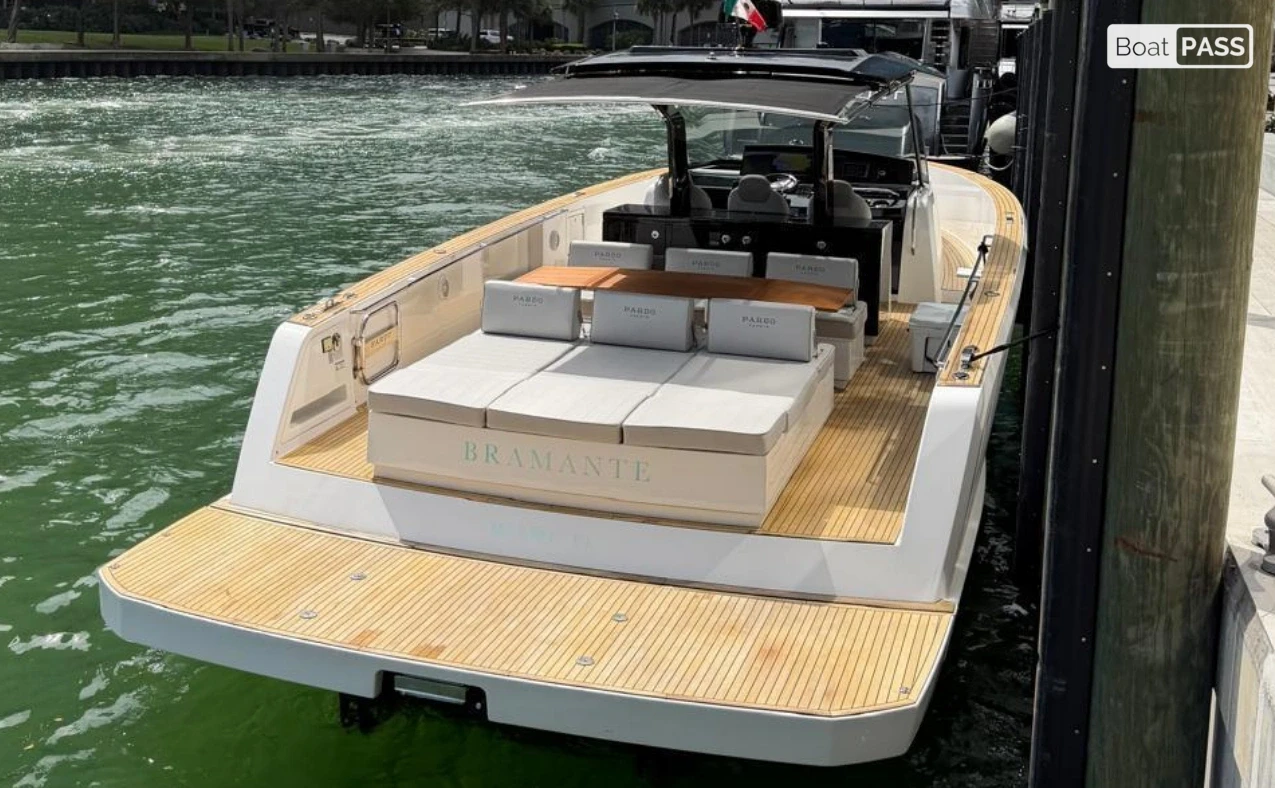
Bramante
Giuli at Key Biscayne
Giselle at Key Biscayne
Robalo Crandon
Donzi Dream
Balboa at Key Biscayne
Shining Force at Key Biscayne
Molto Piaciuto at Key Biscayne
Bubble at Key Biscayne
Le Grand Bleu at Key Biscayne
Blue 24
Pelican IV
Bramante
Where This Activity Takes Place
Getting There
Multiple departure points available
Open in Maps
Key Biscayne Snorkeling Tips (Boater-Focused)
Time it for light wind plus incoming/high tide for the best nearshore visibility.
Avoid snorkeling right after storms or strong winds—sand and seagrass areas get stirred up quickly.
Key Biscayne has heavy boat traffic: keep your group tight, avoid channels, and display a diver-down flag when snorkeling from a boat.
Bring fins—currents and longer surface swims are common even in “easy” snorkeling areas.
Anchor responsibly in sandy patches and avoid seagrass beds; seagrass is critical nursery habitat.
Pack reef-safe sunscreen, a sun shirt, plenty of water/electrolytes, and a dry bag for essentials.
Know local policies before you go: Crandon Park states no flotation devices are allowed on beaches—plan your family gear accordingly.
When to Go
For the best experience, plan around calm weather and tide. Mornings often bring lighter winds, and an incoming or high tide can improve water clarity and comfort over shallow bottom. If conditions are churned up on the ocean side, pivot to a bay-side plan or convert the day into a scenic cruise plus beach time.

Explore Key Biscayne by Boat with BoatPass
BoatPass makes it easy to turn Key Biscayne snorkeling into a flexible half-day or full-day plan—cruise the cape, hop across Biscayne Bay, and adjust your route to the day’s visibility and wind.
Frequently Asked Questions
For nearshore, shallow-water snorkeling, many visitors focus on Crandon Park/Bear Cut-style ecosystems and Bill Baggs Cape Florida State Park areas. For clearer water and more structure, a boat day trip into Biscayne Bay and toward Biscayne National Park can be a better bet on the right weather day.
Yes—on calm days. The nearshore areas are typically shallow with seagrass beds and small rocky/hard-bottom patches, which can be more approachable than deep offshore sites. Always check wind, tide, and visibility before committing to a long swim.
Expect seagrass beds, juvenile fish (nursery habitat), small hard-bottom features, and occasional rays. It’s generally not the same coral density or crystal-clear visibility as far offshore reefs, but it can be very rewarding for wildlife viewing.
You can snorkel year-round, but your best days are driven by conditions: light winds, smaller waves, and incoming/high tide. Choose a morning window when possible and avoid days immediately after storms.
Yes—use a diver-down flag for boat-based snorkeling and stay well away from channels and high-traffic routes. Key Biscayne is a busy boating area, so group control and visibility to other boaters are essential.
Crandon Park notes that no flotation devices are allowed on beaches. If your group normally uses noodles or similar floats while snorkeling, plan alternative safety strategies (like staying in shallow water and snorkeling only in calm conditions).
Start your boating journey today
Book a BoatPass Snorkel DayReady to experience Snorkeling in Key Biscayne?
Book a BoatPass Snorkel Day